
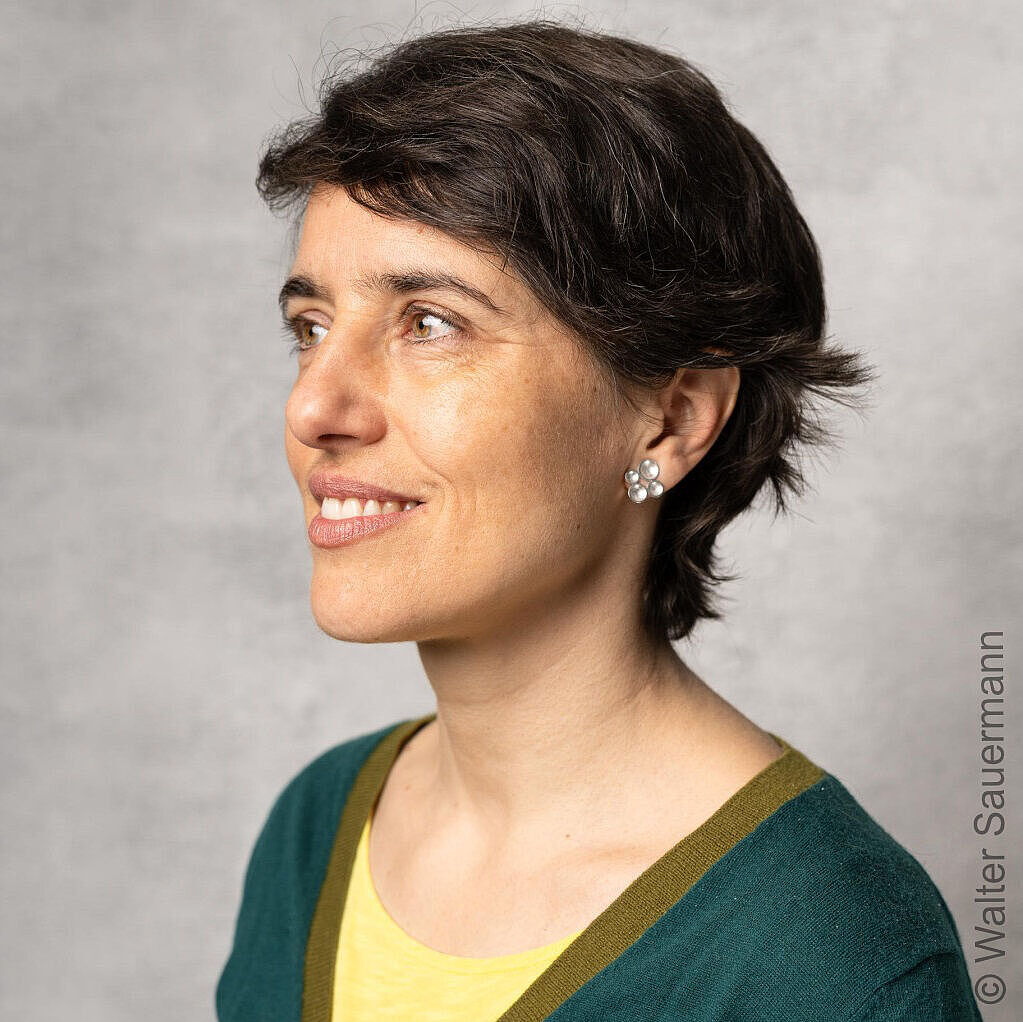
Júlia Wéber, general project head, PhD, since 2018 professor of migration society and civic education at the Department of Social Work and Education, Neubrandenburg University of Applied Sciences. Key research and teaching areas: democracy threats, with a focus on far-right influence, racism and their critique, international comparative approaches in social work and welfare policy, cultures of remembrance in post-migrant societies, and school-to-work transitions.
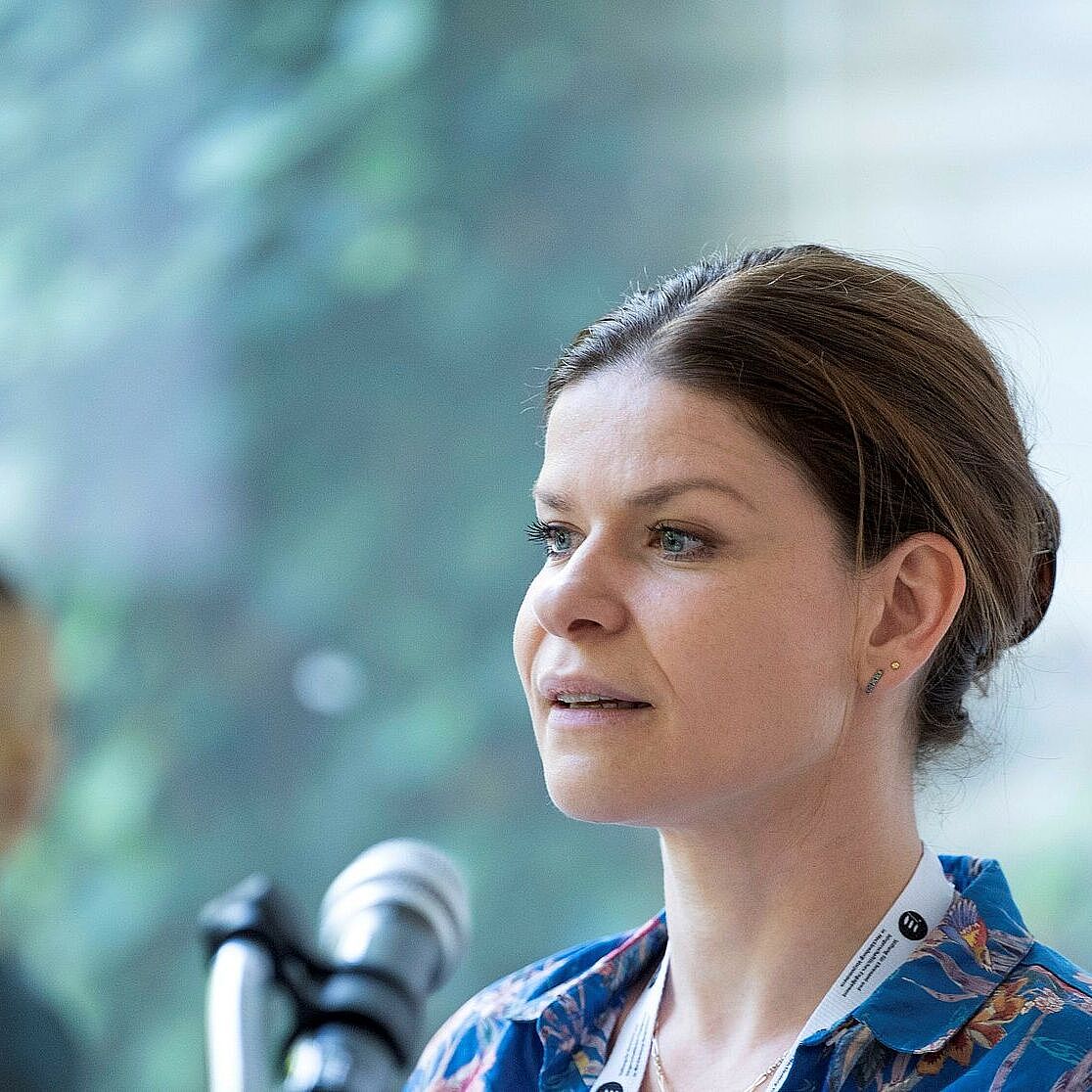
Christine Krüger, German project lead, PhD, since 2020 professor of social sciences and qualitative social research at the Department of Social Work and Education, Neubrandenburg University of Applied Sciences. Her research focuses on professional development in social work, particularly in relation to engagement with the far right. It also covers social services of general interest, and social work in rural areas.


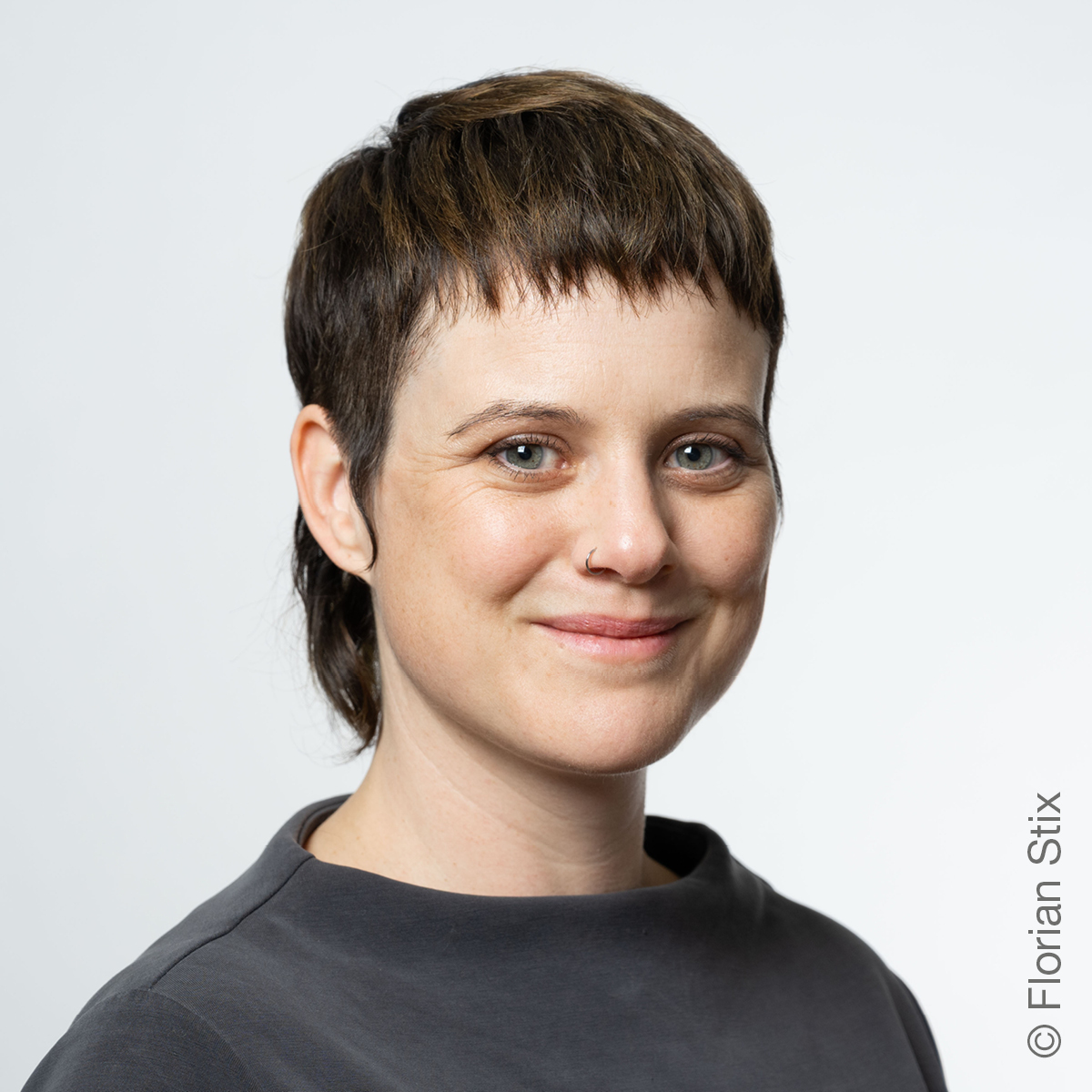
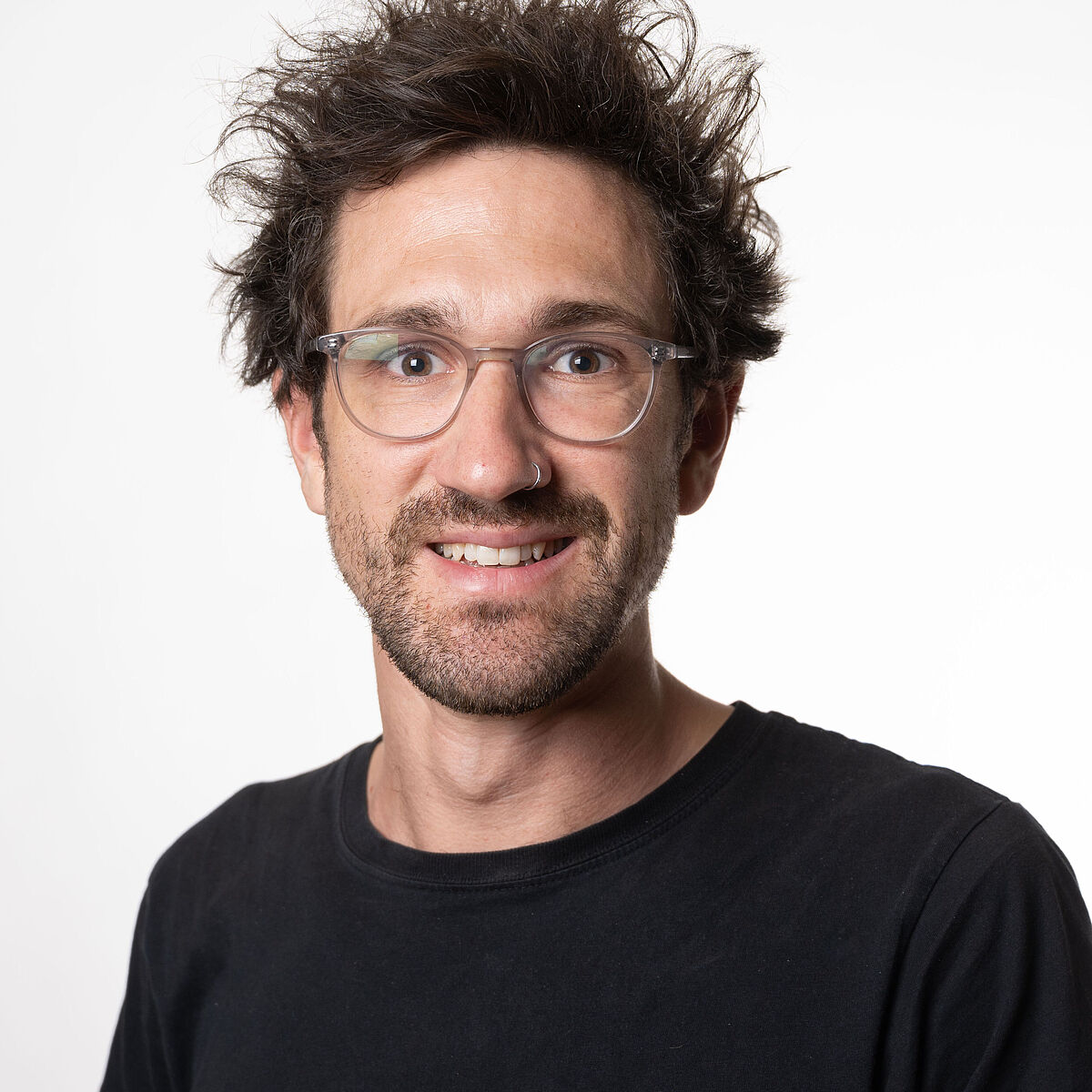
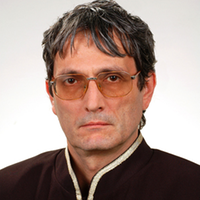
Gergely Fábián, head of quantitative research project part in Hungary, is a sociologist with a PhD and habilitation and a lecturer at the Faculty of Health Sciences, University of Debrecen, where he is currently head of the Department of Social Sciences and Social Work. He studied sociology in Budapest, earned his doctorate at the Catholic University of Eichstätt-Ingolstadt (GER), and later completed his habilitation at the University of Debrecen. He has held several international visiting positions and has published 149 articles. His research focuses on quality of life, social inequalities, and social workers’ career profiles.

Katalin Szoboszlai is a social worker and university associate professor. She is also the president of 3Sz, the Union of Social Professional Associations in Hungary. Her professional and research interests lie in changes to social work and its current situation in Hungary. She has been teaching and researching social work since 1995. Further areas of her research include social work and poverty, child poverty, homelessness, homeless women, prostitution, and drug users.
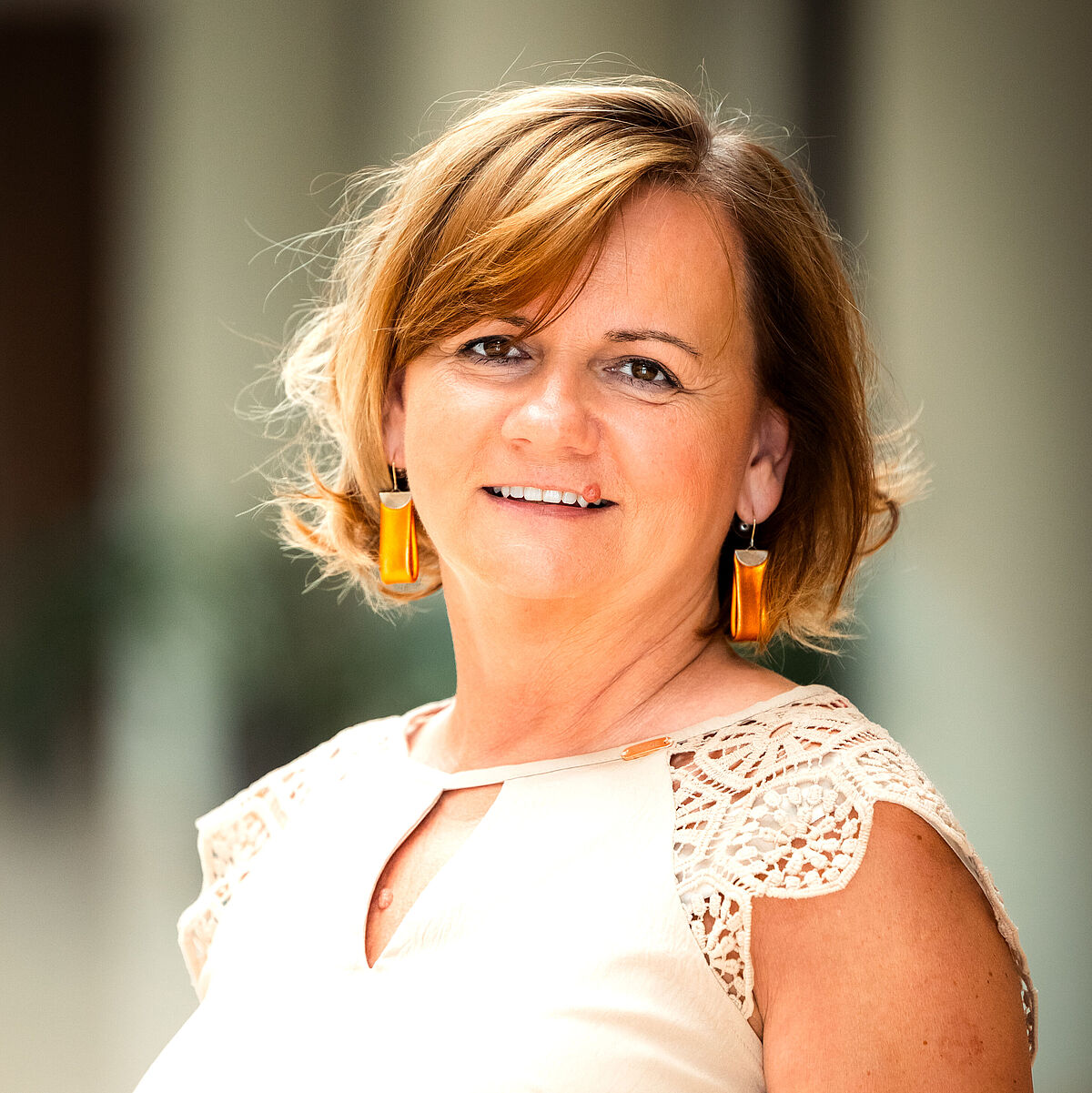
Anikó Vida is a researcher of the Hungarian SoFRiED project team and a member of the working group analysing parliamentary debates. She is an associate professor and head of the Department of Social Work and Social Policy, University of Szeged. Having trained as a social worker and sociologist, her research focuses on the social welfare system.
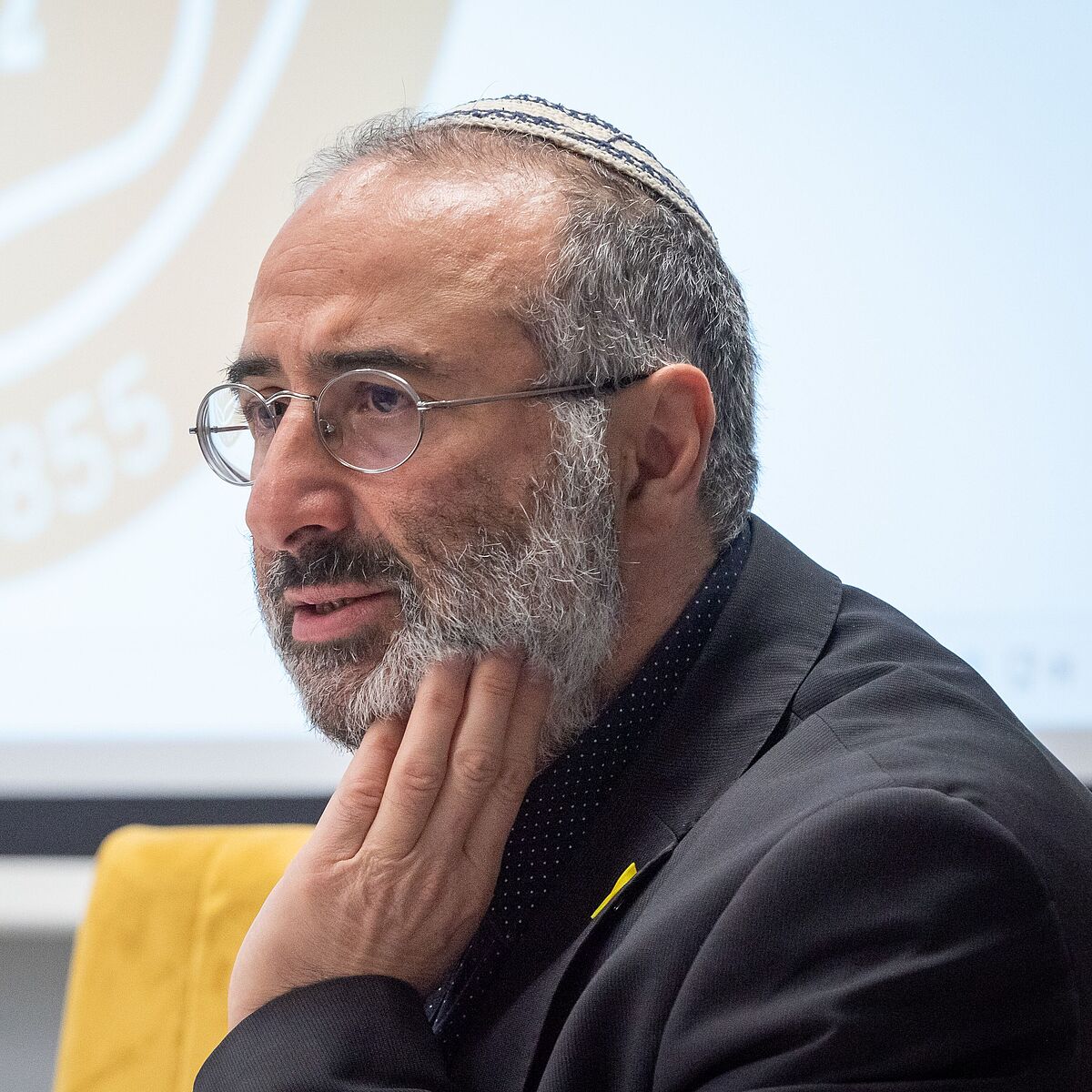
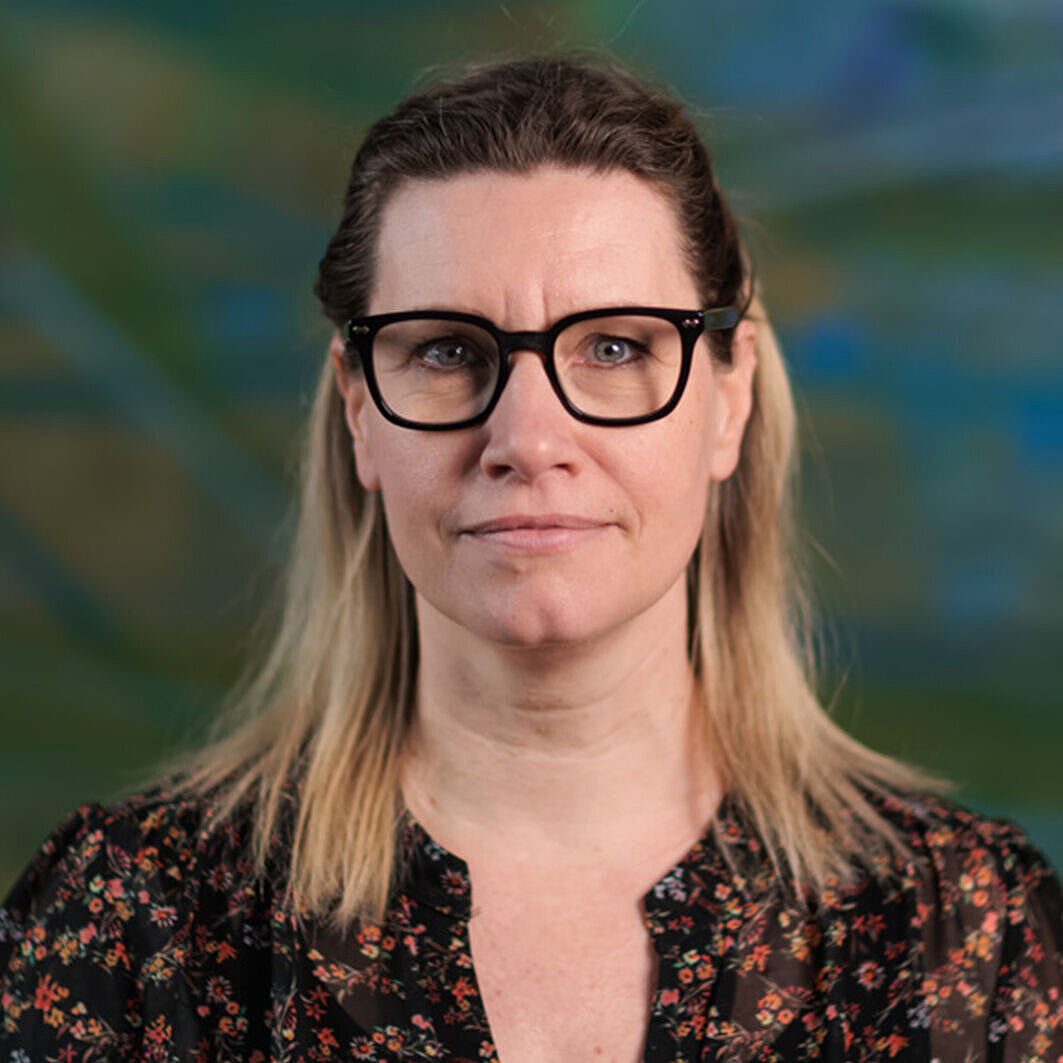
Viktória Borda, head of qualitative research project part in Hungary, is an Assistant Research Fellow and Deputy Head of the Department of Community and Social Studies, Faculty of Humanities and Social Sciences, University of Pécs. She is currently completing her PhD in Urban Sociology at the Doctoral School of Demography and Sociology, University of Pécs. Alongside her academic work, she has extensive experience as an expert in national and local development programme-design and has also coordinated and participated in several applied research and development projects focusing on social inclusion, community development and practice-oriented social work education.
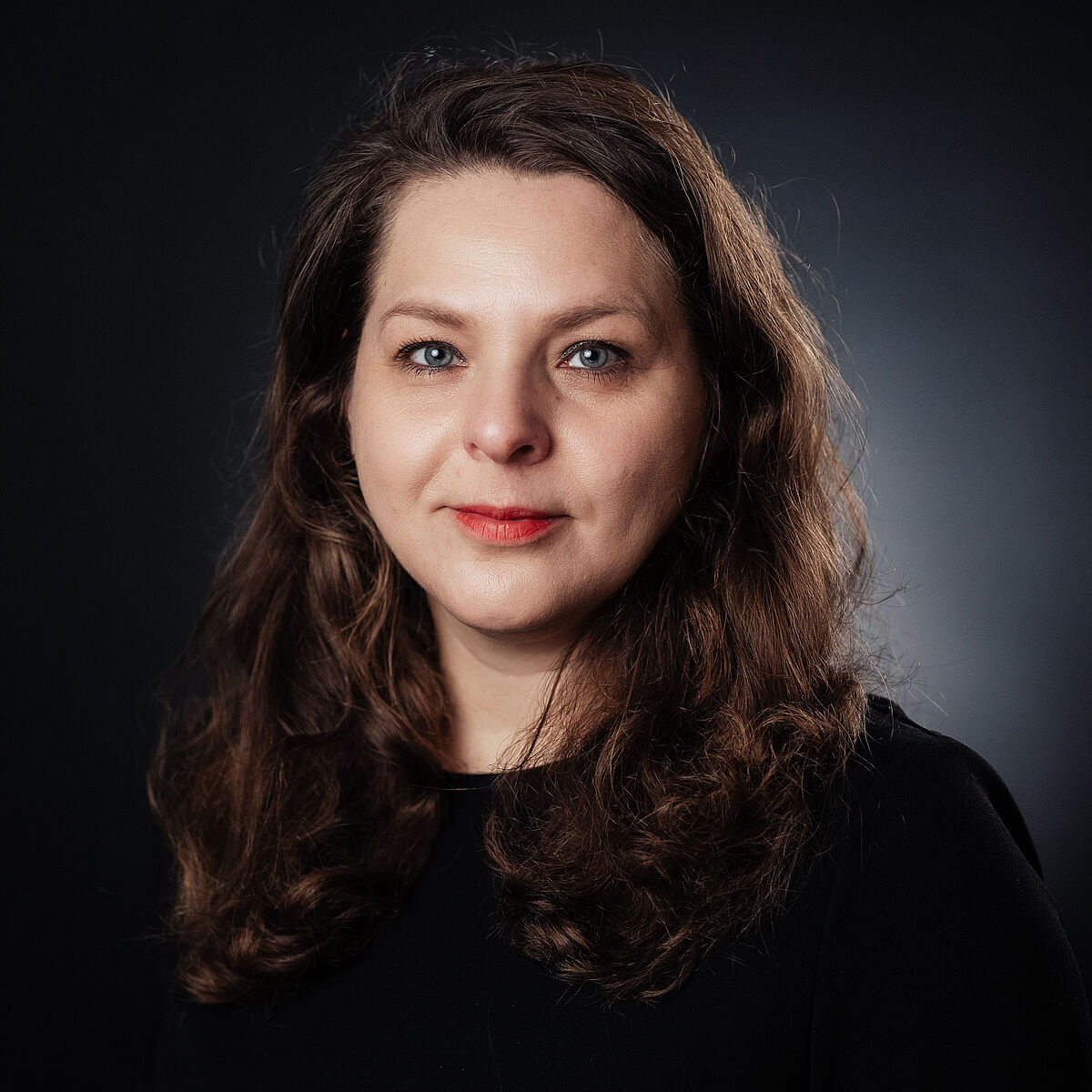
Andrea Rácz is an Associate Professor with Habilitation at the Faculty of Social Sciences, Eötvös Loránd University in Hungary. She is the programme director of the BA and MA Social Work programmes. She obtained her Master's degree in Sociology at Eötvös Loránd University and holds a PhD in Sociology. Her main area of research is child welfare and protection. In addition to her research, she is involved in developing innovations in child protection.
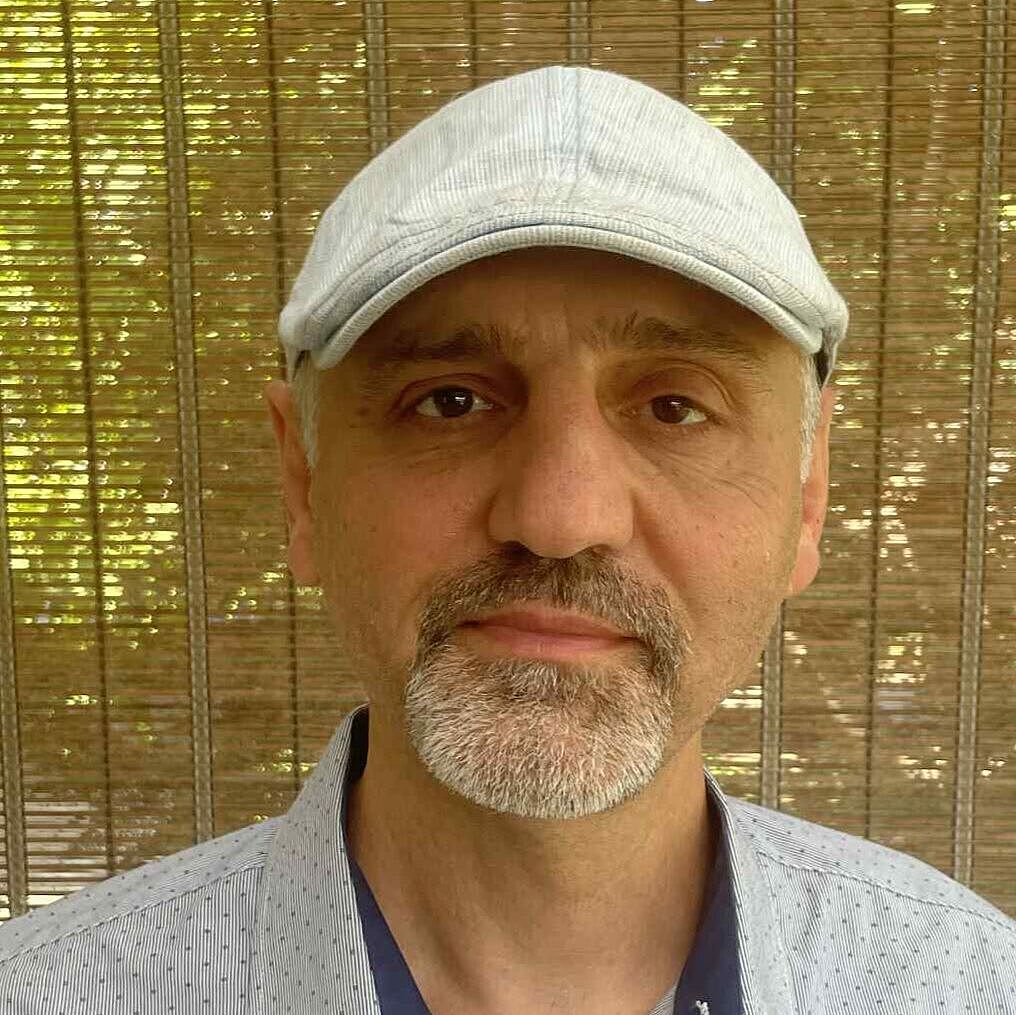
István Sziklai is a social policy scholar and university teacher, Associate Professor at ELTE’s Faculty of Social Sciences and Head of the Department of Social Policy. His research focuses on EU social policy, labour market integration, disability policy and deinstitutionalisation. In SOFRIED, he examines how the far right shapes social work and policies in a Hungarian–Austrian–German comparison. He publishes, supervises PhD students, and enjoys working at the intersection of practice, research and policy. He values ongoing professional dialogue and bringing field experience into teaching and research.